Spider-Man’s Clickbait vs. Context: An Interview About Miles Morales Was Turned Into Royalties

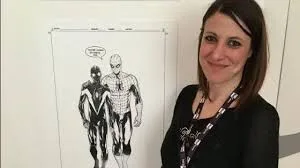
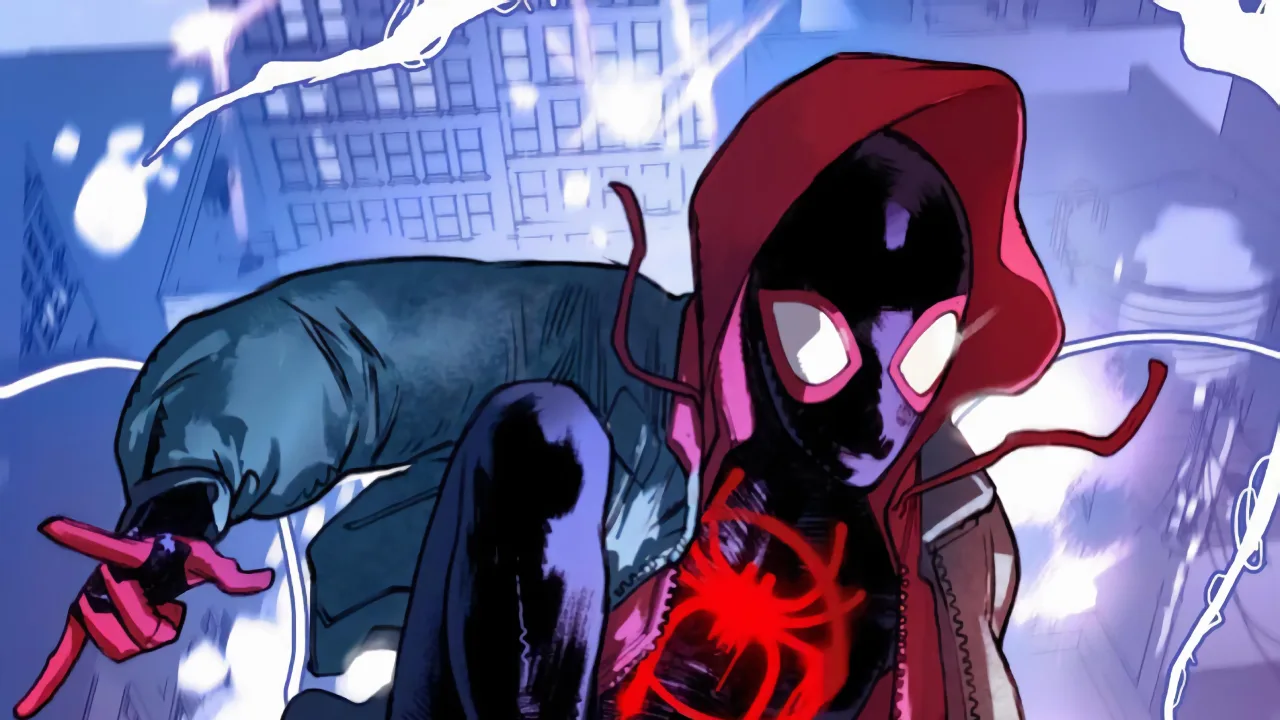
In the world of comic books the story as old as time is intellectual property, few topics are as volatile as creator royalties. A recent interview with the acclaimed artist Sara Pichelli, co-creator of Marvel’s Spider-Man Miles Morales, was taken out of context from a good-faith conversation, ultimately forcing the creator to publicly clean up the mess.
The Misleading Transcript: Crafting a Narrative of Anger
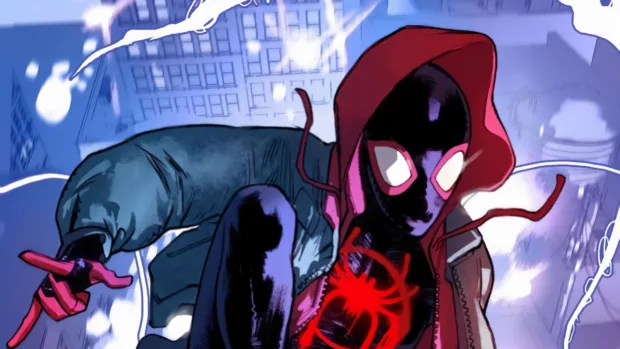
During a busy interview at CCXP, Pichelli engaged in a conversation with other writers and fans. A brief, ironic exchange about the business side of her popular creation was later isolated and published without its original tone. The transcript read as an annoyed dig:
- Interviewer: “And what about those other products that came along with Miles, inspired by him… do you get any share of that money?”
- Sara Pichelli: “If only! Don’t even mention it… I would be a billionaire.”
- Interviewer: “You really would be; the game sold millions.”
- Sara Pichelli: “Yeah, but I don’t get anything. And that’s the saddest part of my life.”
Taken at face value, the text paints a picture of a displeased artist lamenting her financial situation. This is the fundamental danger of transcribed quotes. You can’t really judge the tone or context behind what Pichelli was saying. The relaxed, ironic delivery key to understanding her intent was erased.
The Pichelli’s Rebuttal: Calling Out “Clickbait”
The resulting headlines, which framed to some as Pichelli being shattered or complaining, prompted such an influx of concern from fans that she was forced to address the issue directly on Instagram.
“That headline is an embarrassing click bait news,” Pichelli posted. “Who wrote that, twisted completely the tone of our conversation which was relaxed and ironic, plus that was a tiny part of our conversation where I wasn’t complaining or mad at all, just saying few lines about the business industry.”
She went further, condemning the ethical breach and its potential to harm productive discourse. “I know royalties and copyright are hot topic, but please don’t use me or my work to take sides or talk sh*t, I won’t let you do that.” She specifically called out the exploitation of a creator’s generosity during a hectic convention, asking people to, “Be better, do better.”
More Than Just Misquotes
The irony is palpable as Sara could’ve been overlooked for jobs because of this as other publishers could’ve seen this as complaining too much. While the cause of fair royalties is virtuous, using a creator’s misrepresented words to champion it can backfire. It risks painting them as difficult or litigious, potentially damaging professional relationships and future opportunities.
The complex, vital conversation about creator rights in comics requires nuance, accuracy, and respect for the individuals involved. Twisting a creator’s casual, ironic comments into a viral grievance not only betrays their trust but actively undermines the very cause it purports to support, while potentially jeopardizing the creator’s own career.
About The Author