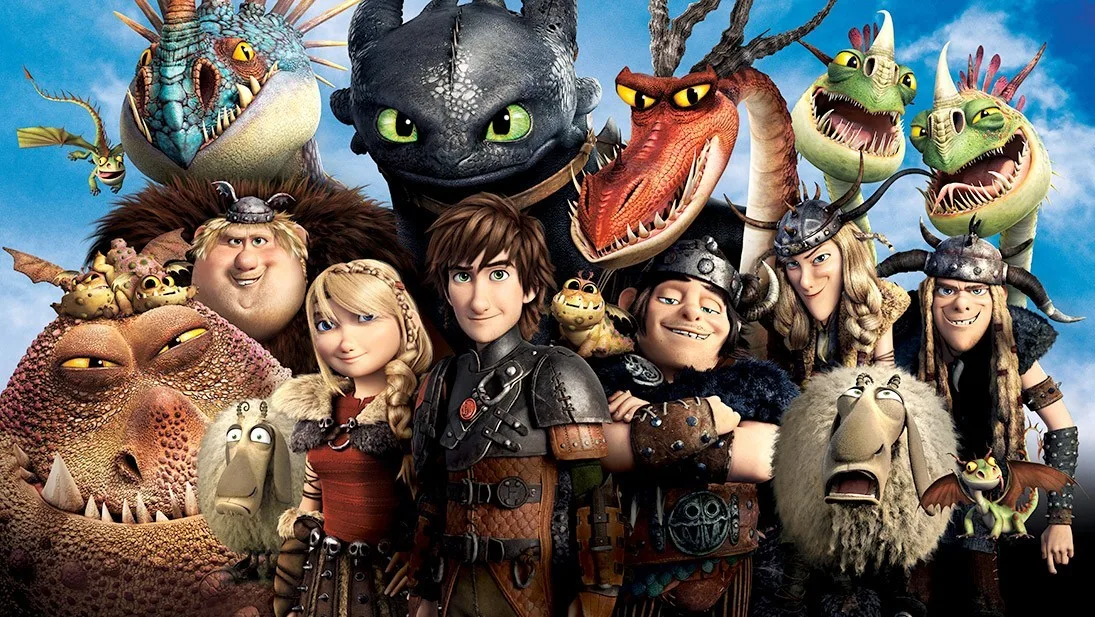
How To Train Your Dragon 2: Revisiting A Classic
I had no idea that this film served as an allegory for the rise of fascism and the subjugation of the vulnerable and peaceful. My reluctance to watch it stemmed from the knowledge that the child characters from the first film had grown up, which I found difficult to accept. However, as I’ve delved into the series, it’s becoming apparent how thoughtfully it works as a cohesive trilogy.
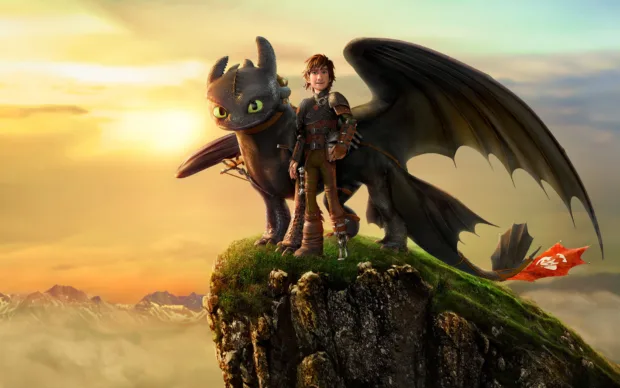
This narrative unfolds as a hero’s journey, structured into three distinct stories, reminiscent of the storytelling style found in franchises like “Star Wars” or “The Hunger Games.” What sets this trilogy apart is its accessible approach for younger audiences, making it an ideal platform for introducing them to important anti-fascist themes. The film is as relevant today as it ever was, and it’s high time for viewers to revisit the entire series.
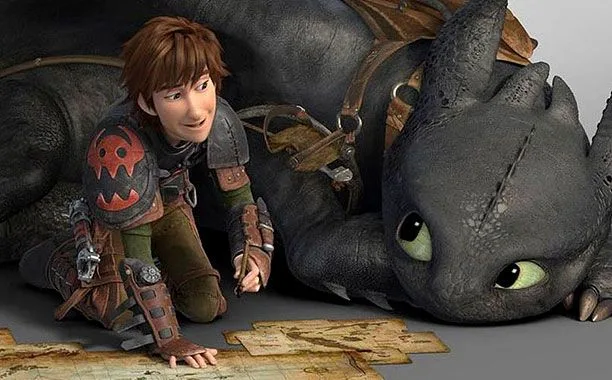
Visually, the animation is nothing short of stunning, showcasing meticulous artistry that enhances the overall experience. The voice acting is also commendable, featuring almost all original actors reprising their roles, which adds a sense of continuity and authenticity to the characters we’ve come to know and love. The dragons, in particular, are the standout aspect of the film; their intricate designs and dynamic movements bring a magical quality that captivates viewers. I also appreciated the inclusion of the ‘lost mother’ trope, which adds emotional depth and resonance within the narrative, fitting seamlessly into the overarching themes of connection and loss in the series.
About The Author